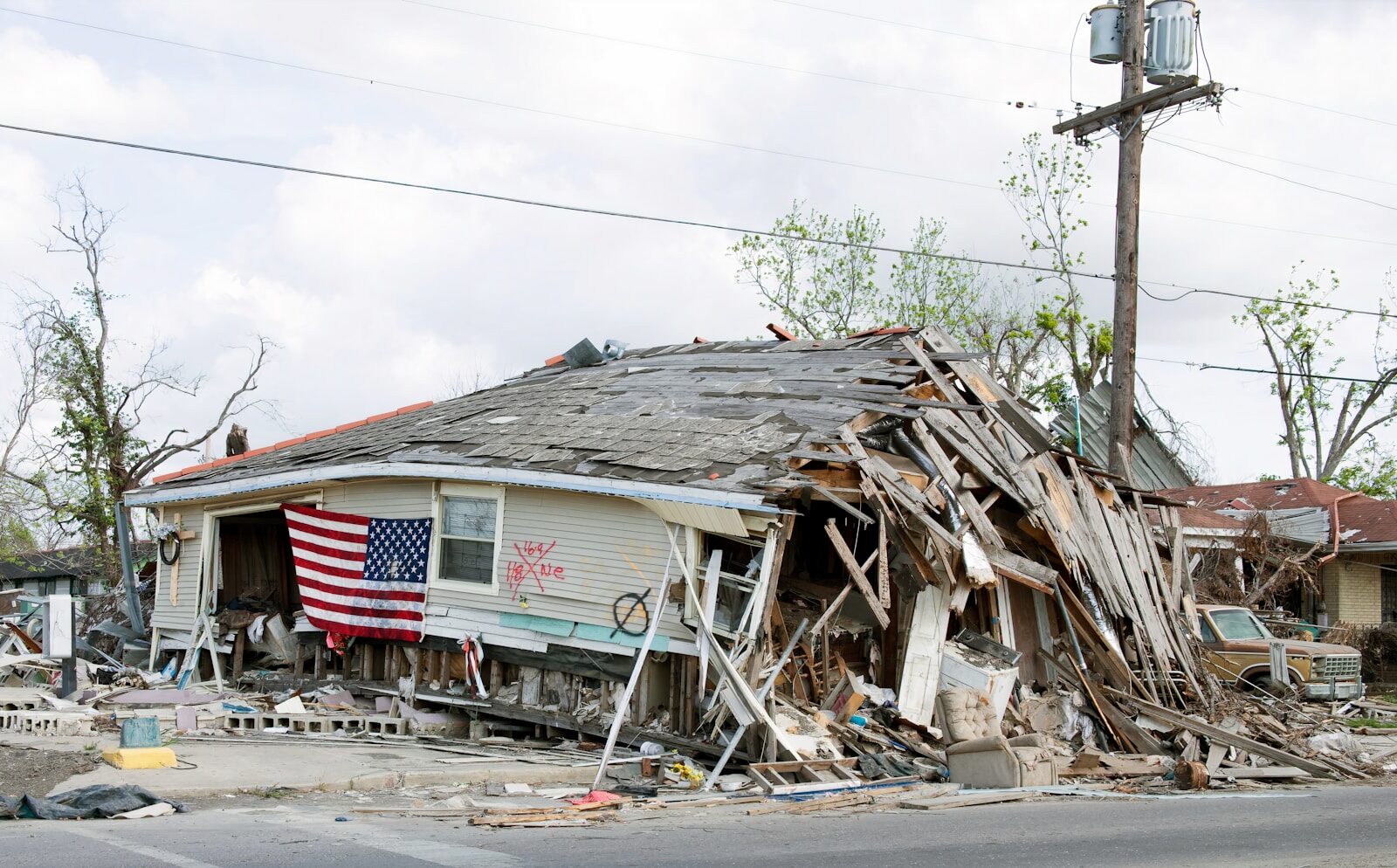
In an uncertain world, setting aside disaster supplies is a smart way to protect yourself and your loved ones from unexpected events. Whether you’re thinking about hurricanes, emergencies, or longer power outages, being ready brings comfort and real peace of mind. However, people often make mistakes that weaken their preparedness efforts. From missing out on crucial items to poor organization, these missteps could leave you exposed when you least expect it.
Many prepping experts share tips and advice for avoiding these pitfalls. The team at Safe Harbor Prep knows that the right Disaster Survival Equipment combined with practical strategies can make all the difference. Let’s go through some of the most common errors to avoid so you can build a reliable emergency kit that actually works when you need it most.
Water: The Essential Many People Forget
Nothing is more important in an emergency than water. While you could survive for weeks without food, just a few days without water would be dangerous. Yet, some of the most common oversights involve forgetting to store enough clean water. People are often drawn to technical gadgets and fancy gear, but overlook life’s most basic need.
To avoid this mistake, calculate at least one gallon of water per person per day, and store enough for a few weeks or more. Store your water in sturdy, stackable containers that are easy to move. Testing your setup by imagining a scenario with no running water can show gaps in your supplies. It’s also smart to have water purification tablets or a portable filter handy, in case you need to source water from outside.
Relying on Pre-made Survival Kits Without Practice
Buying a ready-made emergency kit from the store might seem like the easy way out, but it doesn’t always cover your actual needs. These kits can be bare-bones and designed only for short-term use, and if you never open or test the kit, you might be stuck with tools you don’t know how to use.
Instead, try to build your emergency set with individual pieces suited to your family. If you do buy a kit, make it a habit to open it up and test each item, replacing what’s missing or expired. Monthly checks and making sure batteries and supplies are fresh keeps your emergency gear reliable. Use the first-in, first-out rule: rotate older supplies to the front and use them first.
Stockpiling More Than You Can Move
It’s tempting to keep piling up supplies, but if your emergency kit is so heavy you can’t lift it – or if your water barrel is impossible to move – it could be a problem in a real evacuation. When you need to leave quickly, mobility is vital. Supplies that are too heavy or too large to move won’t help during floods or fires.
Keep your go-bags at a weight you can carry for a distance, aiming for about 20-30% of your body weight. Store water in smaller jugs that can be carried easily, and practice carrying your full pack. At home, use portable carts for heavy things and split up your inventory so no one cache is too big to move by yourself.
Keeping Everything in One Place
Placing all your resources in a single spot creates big risks. If a fire floods your basement, or if intruders find your obvious store, you could lose everything at once. Keeping all your supplies together makes them an easy target.
A better approach is to spread your emergency gear throughout your home – some in the pantry, some tucked under beds, and even some stored in your car or at a secondary location. If possible, build secret caches or hide some supplies away from the main living area. Map them privately so only you or trusted family know where to find them.
Forgetting to Track, Rotate, and Replace Inventory
Anyone who has ever found a shelf of expired food or packed away medical supplies only to discover they’ve gone bad knows the pain of wasted money and effort. Without a clear tracking system, it’s easy to lose track and end up with duplicate purchases or spoiled supplies.
Try using a notebook, spreadsheet, or mobile app to log quantities and expiration dates. Place new items behind the old, so they’re used in the right order. Review your inventory every few months, checking for expired or missing items. This step saves money, reduces waste, and ensures all your goods are fresh and ready.
Not Updating Plans When Life Changes
Life doesn’t stand still – your plans shouldn’t either. What worked for your family last year might not fit today. Maybe you’ve moved, welcomed a new family member, or are dealing with new medical needs. Sometimes, disasters you never thought possible become real threats where you live.
Be sure to check your emergency plans and supplies every year. Adjust them for new risks and family needs. Create different plans for evacuating or staying put, depending on possible scenarios. Simple updates, like adding expired medications or new comfort items, make sure you’re not caught off guard.
Overlooking Hygiene, Vitamins, and Everyday Needs
It’s easy to focus on just food and water when building your stockpile. But things like sanitation supplies and basic medicine are crucial for avoiding sickness. Without these, even a short emergency can become dangerous.
Be sure to set aside plenty of hygiene products: toilet paper, soap, sanitizer, and products for women’s health. Keep a couple of weeks’ worth of hygiene items for every person. Pack some vitamins to help cover gaps in nutrition, especially if you rely on canned food. Don’t forget a good first-aid kit, with supplies for treating wounds and infections.
Not Practicing with Your Equipment
Having a gear-filled backpack doesn’t do much good if you don’t know how to use the items inside. Many people skip out on actually learning with their gear, assuming they’ll figure it out under pressure. In an emergency, this can lead to preventable mistakes.
Dedicate time to practicing simple skills: filtering water, using a firestarter, bandaging injuries. If you aren’t sure, consider taking a first-aid class or joining a community preparedness group. The real value of your equipment comes from knowing how to put it to use.
Choosing Single-Use Gadgets Instead of Versatile Tools
Some products are marketed as must-have survival tools, but many only have one narrow use. Instead of filling your supplies with disaster-specific gadgets, focus on equipment that can handle a range of challenges.
Pick multi-purpose items like a crank flashlight-radio, a sturdy multi-tool, and seeds that grow varied crops. These flexible options increase your chances of handling different types of emergencies. Remember the rule of three: shelter, water, and food, and prioritize gear that supports all three.
Underestimating How Much You’ll Need (and the Importance of Morale)
It’s a common mistake to think a 72-hour kit will last through any disaster. Many crises stretch out for weeks. Rationing supplies long-term is hard – and a low mood can harm your family’s ability to cope.
Plan for more than the basics. If you have room, triple your water, food, and other main needs. Sprinkle in simple comforts – like chocolate, coffee, or playing cards – to boost morale during tough times. Start small and add to your supplies as you go, so the process feels manageable.
Building a reliable survival stockpile means looking beyond the basics and learning from the mistakes that many new preppers make. It’s about developing habits: rotating inventory, spreading out supplies, and practicing skills. With steady, thoughtful action, you’ll find confidence and security in your preparations.