Dubai is famous for its glitzy skyscrapers, opulent malls, and world-renowned shopping culture – but there’s another side to its luxury identity that’s quickly rising in popularity: premium replica watches. As luxury-loving shoppers from all over the globe flock to the city, Dubai has built a reputation for offering high-quality alternatives to big-name timepieces. From “super-clone” Rolexes to stunning Audemars Piguet lookalikes, the city’s shops and online platforms cater to a growing market that wants luxury style without the massive price tag.
This growth isn’t a fluke. Dubai’s transformation into a key player in the replica watch industry stems from its position as an international trade epicenter, a bustling tourist magnet, and a forward-thinking e-commerce market. For watch enthusiasts seeking a perfect mix of variety, craftsmanship, and global shipping, it’s hard to beat what Dubai has to offer. For instance, when buyers search online for “dubai replica watches,” they’re often looking for trusted stores with a wide selection and seamless buying experience.
How Luxury Culture Drives the Demand for Replicas
A big reason for Dubai’s buzzing replica watch scene is its thriving luxury culture. The city attracts not just local residents with a taste for elegance, but tourists, collectors, and brand-conscious shoppers from all over the world. This natural appetite for all things premium means there’s strong demand for watches that look just like the originals – without the steep prices.
Stores and online platforms in Dubai have picked up on this trend. They present their replica models as sophisticated alternatives, often highlighting how closely they match the real thing. Shoppers find all the classic luxury brands they love, such as Rolex, Patek Philippe, Audemars Piguet, and Richard Mille. But for many buyers, it’s not just about saving money. It’s about looking stylish, wearing a brand name, and enjoying the feeling of exclusivity.
Dubai’s Key Role in Global Watch Trade
Strategically located between Europe, Asia, and Africa, Dubai is one of the world’s busiest centers for international commerce. With goods flowing in and out from every corner of the globe, it’s no wonder why the city has become such a hotspot for watch trading – including the replica sector.
Replica watch sellers in Dubai have taken advantage of this global access by offering fast order processing, international shipping, and around-the-clock support. Buyers from every continent trust Dubai’s stores to deliver quickly and reliably. This international approach has helped put Dubai on the map, making it just as much a global distribution hub as it is a popular shopping destination. The association with luxury is so strong that when people search for trusted sources online, Dubai naturally stands out as a favorite choice for high-end replicas.
What Makes “Super Clone” Replicas Different
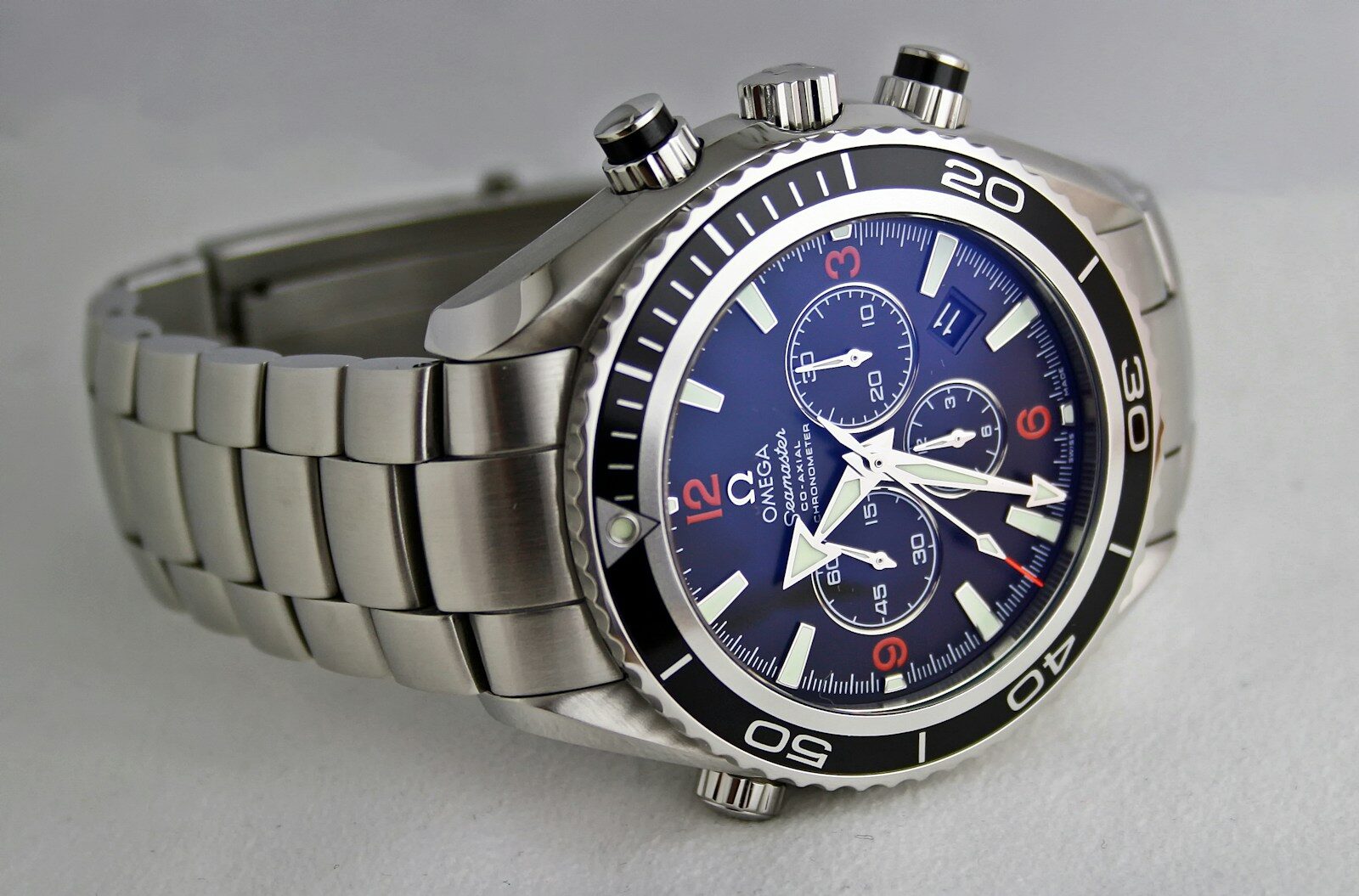
Not all replica watches are made the same, and Dubai’s market shows it. Many sellers focus on what’s known as the “super clone” segment. These aren’t your average imitations – they’re top-tier replicas crafted with the kind of precision, attention to detail, and quality materials that can fool even serious watch lovers.
Online shops use phrases like “Swiss 1st Class copy,” “super clone,” and “1:1 replica” to communicate just how closely their products match the originals. Buyers looking for these premium options want more than just a cheap novelty; they’re searching for a watch that feels and looks authentic in daily life. The emphasis here is on flawless finishing, detailed dials, and comfortable wear – qualities that turn a replica from a fun accessory into a genuine luxury experience.
Online Shopping for Replicas in Dubai
The influence of digital commerce has been huge in Dubai’s replica watch industry. Websites such as dubaiwatchstores.com showcase the modern approach to this niche. Their homepages often highlight free global shipping, constant customer support, and satisfaction guarantees – elements designed to build trust and peace of mind for shoppers.
What catches the eye, though, is the extensive range of luxury-inspired replicas available. Whether you’re hunting for a sporty chronograph, a classic dress watch, or a rare style in a special dial color, Dubai’s shops offer endless variety. This easy access has transformed the buying process, making it more transparent and secure. Unlike the old days when replicas were sold quietly, today’s online stores use clear descriptions, professional images, and streamlined ordering to welcome new and returning clients alike.
Why Buyers Prefer Shopping in Dubai
Shoppers worldwide choose Dubai for several reasons:
- To enjoy the look of a designer watch without breaking the bank.
- Because they want higher-quality replicas that stand out from cheap knockoffs.
- For access to a broad catalog of famous styles.
- To benefit from convenient shipping and strong customer service.
- Out of trust for Dubai’s image as a luxury shopping capital.
Owning a premium replica has practical appeal, too. Some buyers use them as a stylish daily wear, as a travel companion, or as a test-run before purchasing an original watch. Others simply enjoy the confidence that comes from sporting a luxury-inspired piece crafted to top standards.
Online Visibility and the Rise of Dubai’s Replica Watch Market
It isn’t just luxury culture and trade that’s driving Dubai’s prominence – search engine trends have played a role as well. Popular keywords like “copy watches in Dubai” and “super clone watches UAE” show how much demand is being generated online. Sellers craft detailed product listings and brand-specific collections to appeal to shoppers actively searching for these watches.
This digital presence makes it easier than ever for buyers to find and compare models, read reviews, and feel confident about their choices. Dubai’s reputation is now as much about digital discovery as it is about in-person shopping sprees.
Trust is Central to the Buyer’s Experience
Confidence is crucial in the world of premium replicas, and Dubai’s sellers know it. That’s why so many highlight customer-first policies, like easy returns and clear shipping information. They focus on making the entire process, from browsing to delivery, as pleasant and safe as possible.
The broader watch market in Dubai also balances an ecosystem of both genuine and replica sales, further encouraging trust. Buyers recognize that shopping in Dubai means dealing with businesses that know watches inside and out – no matter if it’s for authentic timepieces, pre-owned favorites, or premium replicas. This sense of reliability helps explain why the city is so popular among shoppers around the world.
Dubai’s Unmatched Role in the Replica Watch Scene
Dubai has achieved something unique in the premium replica watch market. By combining its love of luxury, unmatched access to global trade, a powerful online presence, and a reputation for trustworthiness, the city offers everything a replica buyer wants. Stores like Dubai Watch Store have set new standards, turning what was once a hidden trade into a respected and easily navigable shopping experience.
Whether you’re after an expertly made super clone, a stylish alternative to a famous brand, or just an affordable way to express your sense of style, Dubai remains the top destination. The city’s luxury influence now covers not just original watches, but the world of fine replicas – giving shoppers everywhere the chance to wear a little bit of Dubai’s prestige on their wrist.